Loading

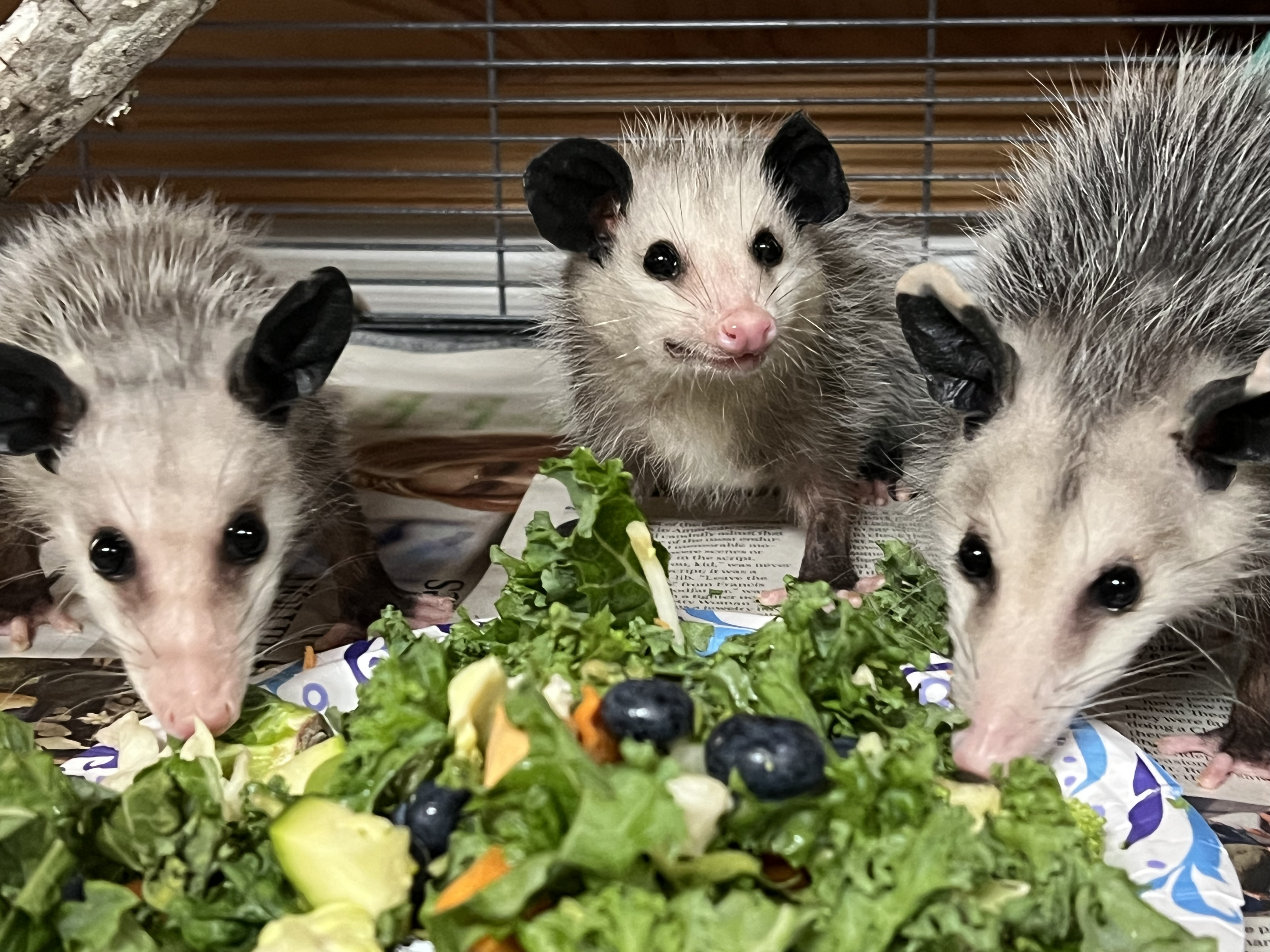
Didelphis virginiana
North America's only marsupial, opossums are gentle, beneficial animals that help control tick and pest populations. Despite their appearance, they are docile and rarely aggressive.
Opossums inhabit deciduous forests, farmland, and urban areas throughout Louisiana. They are adaptable and can make dens in hollow logs, tree cavities, brush piles, under porches, or in attics. They do not dig their own burrows but use abandoned dens of other animals.
Highly opportunistic omnivores that eat insects, snails, slugs, small rodents, frogs, carrion, fruits, and vegetables. A single opossum can eat up to 5,000 ticks per season, making them incredibly beneficial for controlling tick-borne diseases in your yard.
Primarily nocturnal and solitary, opossums are nomadic and rarely stay in one area for more than a few days. When threatened, they may hiss, show their teeth, or "play possum" - entering an involuntary catatonic state that can last from minutes to hours. They have a very low body temperature, which makes them nearly immune to rabies.
Opossums are virtually immune to rabies due to their low body temperature
A single opossum can eat up to 5,000 ticks in one season
They have 50 teeth - more than any other North American land mammal
Baby opossums are the size of a honeybee when born and must crawl to the pouch
"Playing possum" is an involuntary response - they cannot control when it happens
They have opposable thumbs on their hind feet, like primates