Loading

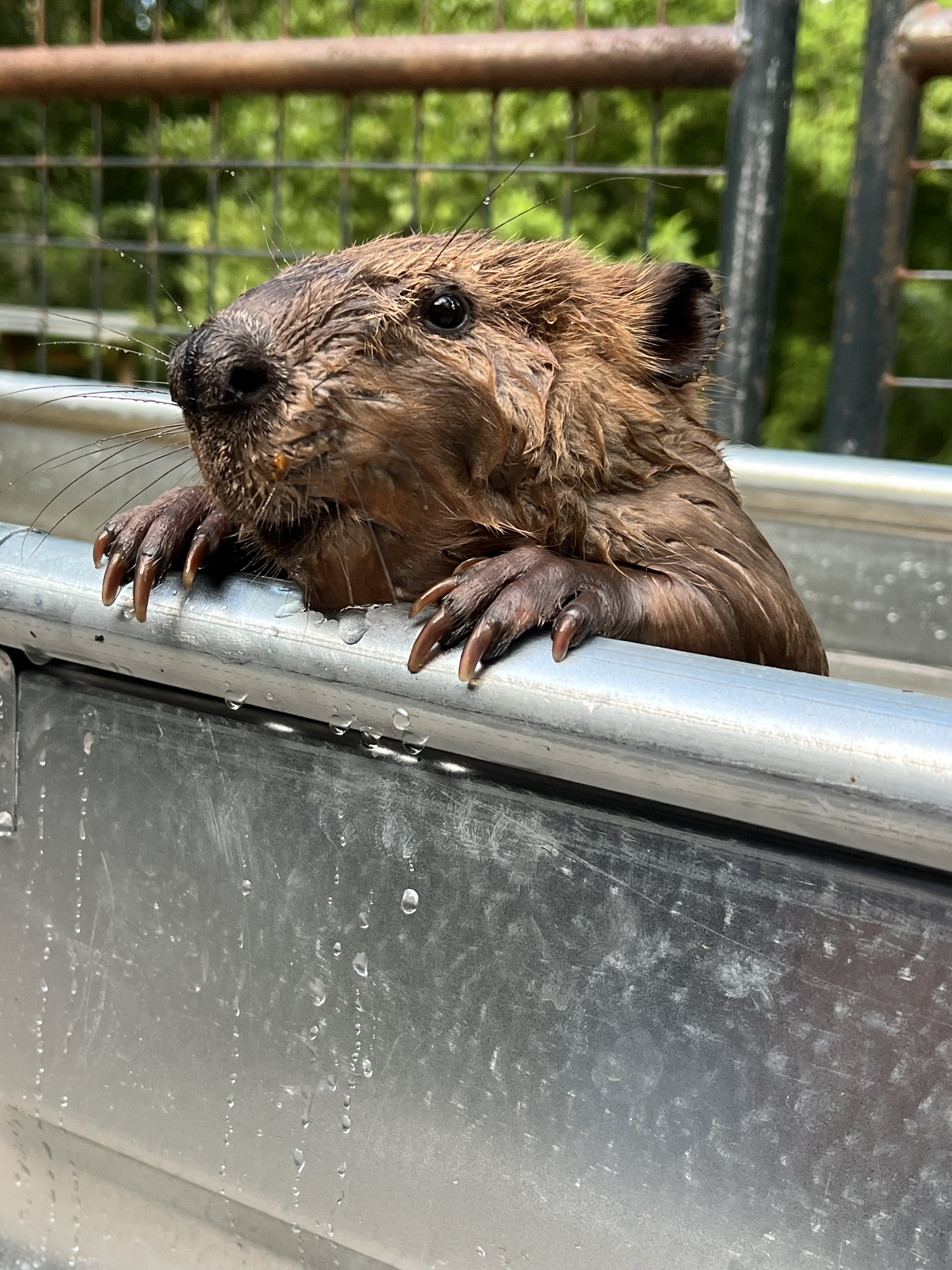
Castor canadensis
Nature's engineers, beavers create wetland habitats that benefit countless other species. Their dams help control flooding, improve water quality, and create critical habitats throughout Louisiana's waterways.
Found in streams, rivers, ponds, and wetlands throughout Louisiana. They construct dams from branches, mud, and stones, creating deep ponds to protect their lodge entrances from predators. Beaver ponds create habitat for fish, waterfowl, and many other species.
Herbivorous, eating bark, leaves, and twigs from deciduous trees (especially willow, aspen, and cottonwood), as well as aquatic plants, roots, and water lily tubers. They store branches underwater near their lodge for winter food supply.
Primarily nocturnal, beavers live in family groups called colonies. Both parents care for young (kits), and older siblings often help raise younger ones. They are famous for their dam-building behavior, which can dramatically alter landscapes. Beavers communicate through vocalizations, scent marking, and their famous tail-slap warning signal.
Beaver teeth are orange because of iron in the enamel, which makes them extra strong
They can hold their breath for up to 15 minutes underwater
A beaver's flat tail stores fat and helps regulate body temperature
They have clear eyelids (like goggles) that let them see underwater
Beaver dams can be over 2,000 feet long
They were nearly hunted to extinction for their fur but have made a remarkable comeback