Loading

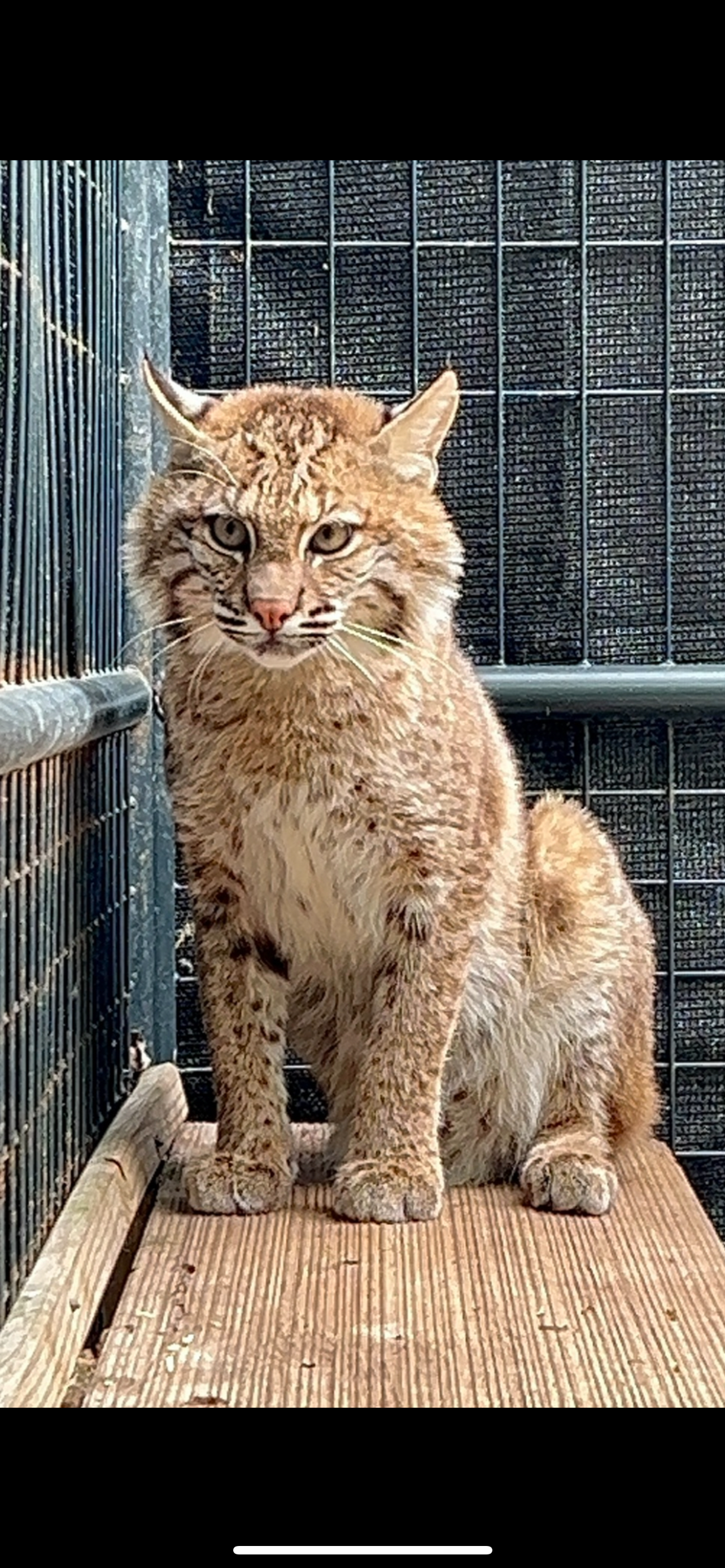
Lynx rufus
Louisiana's native wild cat, bobcats are solitary, elusive predators that play a vital role in maintaining healthy ecosystems. Despite their fierce appearance, they are extremely shy and rarely seen by humans.
Found throughout Louisiana in forests, swamps, coastal marshes, and even suburban fringes with adequate cover. They require dense vegetation for stalking prey and typically den in rock crevices, hollow logs, brush piles, or under fallen trees.
Obligate carnivores that primarily hunt rabbits, squirrels, mice, and birds. They can take down prey much larger than themselves, including young deer. Bobcats are ambush predators, stalking prey with extreme patience before pouncing.
Solitary and highly territorial, bobcats are most active at dawn and dusk. Males have territories up to 30 square miles that overlap with several females. They are excellent climbers and swimmers but prefer to hunt on the ground. Despite their size, bobcats are extremely secretive.
Bobcats are named for their short "bobbed" tail, which has a distinctive black tip
They can leap up to 12 feet to catch prey
A bobcat's spots help them blend into dappled forest light
They have excellent hearing with ear tufts that may help direct sound
Bobcats are about twice the size of domestic cats
They are the most common wild cat in North America