Loading

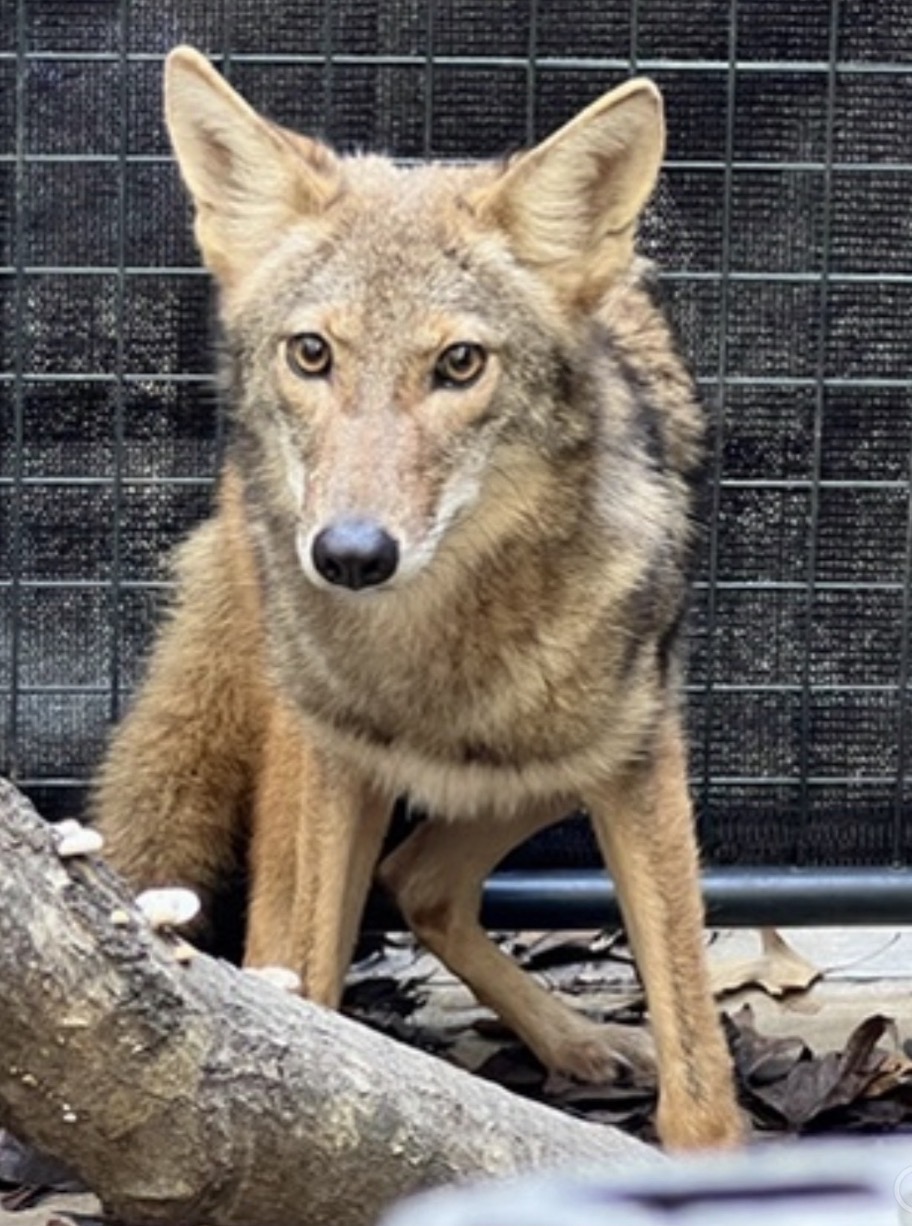
Canis latrans
Highly adaptable canids that have expanded their range dramatically across North America. Often misunderstood, coyotes are intelligent, family-oriented animals that help control rodent and deer populations.
Incredibly adaptable, coyotes thrive in forests, prairies, deserts, swamps, and even urban centers across Louisiana. They dig their own dens or enlarge existing burrows. Urban coyotes often live in parks, golf courses, and green spaces within cities.
Highly opportunistic omnivores eating primarily small mammals (rabbits, mice, rats), but also deer, birds, insects, fruits, and in urban areas, pet food and garbage. They are one of nature's most effective rodent control agents.
Coyotes can be active any time but are primarily crepuscular and nocturnal. They live in family groups with complex social structures. Pairs often mate for life and both parents care for pups. They communicate through an impressive array of howls, yips, and barks - a single coyote can sound like multiple animals.
Coyotes can run up to 43 mph, making them one of the fastest North American mammals
Their name comes from the Aztec word "coyotl"
A coyote pair typically mates for life
They can interbreed with domestic dogs (coydogs) and wolves (coywolves)
Coyotes have expanded their range 40% since the 1950s despite human persecution
They can hear a mouse moving under snow from several feet away