Loading

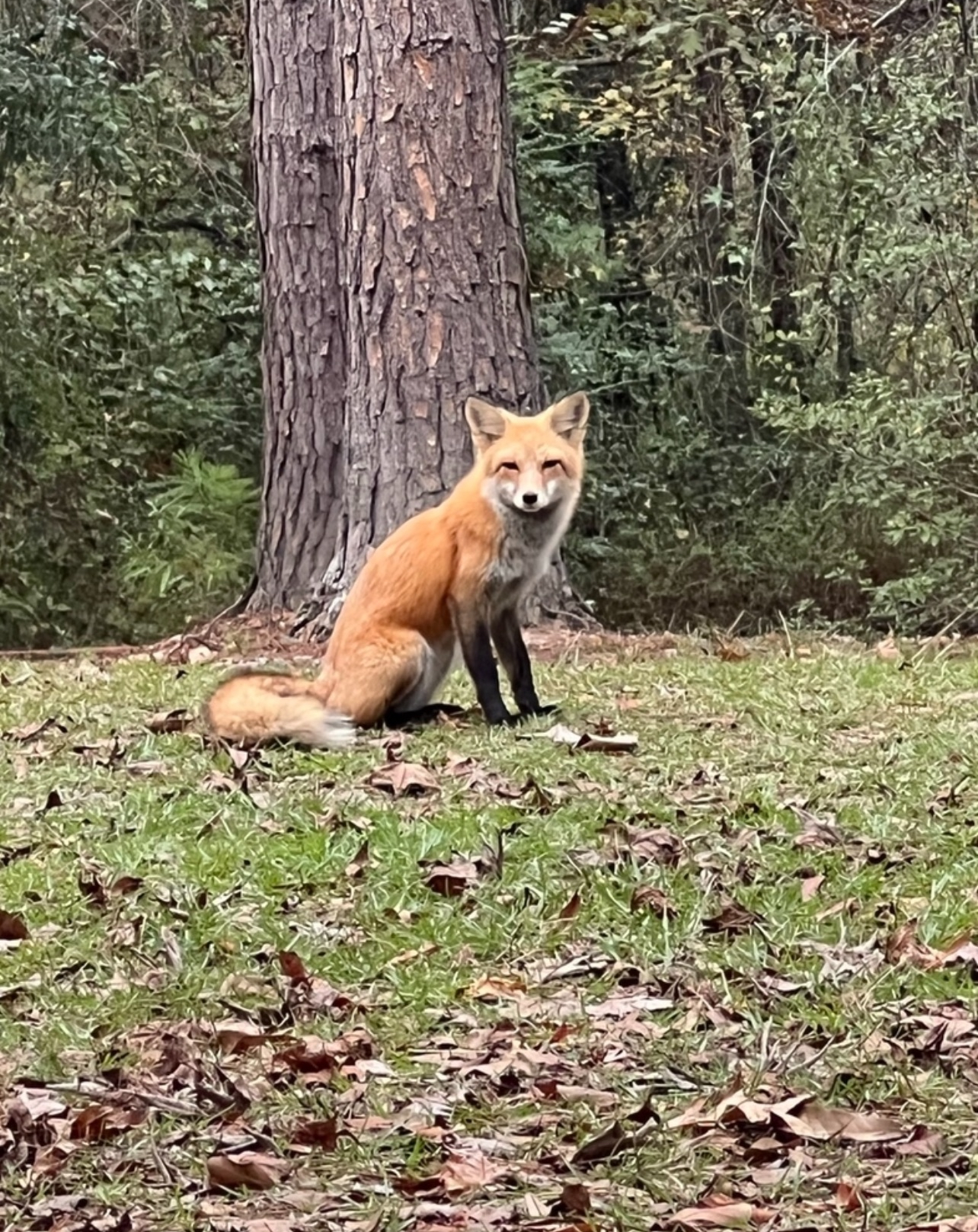
Vulpes vulpes
Beautiful and intelligent canids that are primarily shy and avoid human contact. Red foxes play an important role in controlling rodent populations and are rarely a threat to humans or pets.
Adaptable to many environments including forests, grasslands, farmland, and increasingly suburban areas in Louisiana. They den in underground burrows (often expanded from other animals' dens), under sheds, or in hollow logs. Fox families often use the same den site for generations.
Opportunistic omnivores that primarily eat small mammals (mice, voles, rabbits), but also consume birds, insects, fruits, berries, and carrion. They cache excess food for later consumption. A single fox can eat 3-5 pounds of food per day.
Primarily crepuscular and nocturnal, though may be seen during day, especially when raising kits. They are generally solitary except during breeding season and while raising young. Foxes communicate through over 28 different vocalizations, including the famous "screaming" call.
Red foxes can hear a mouse squeak from 150 feet away
They can run up to 30 mph and jump over 6-foot fences
Fox kits are born deaf and blind, but grow incredibly fast
They use the earth's magnetic field to hunt, "pouncing" with incredible accuracy
A fox's tail (called a "brush") helps them balance and keeps them warm in winter
Red foxes have been known to play with dogs and form unusual friendships