Loading

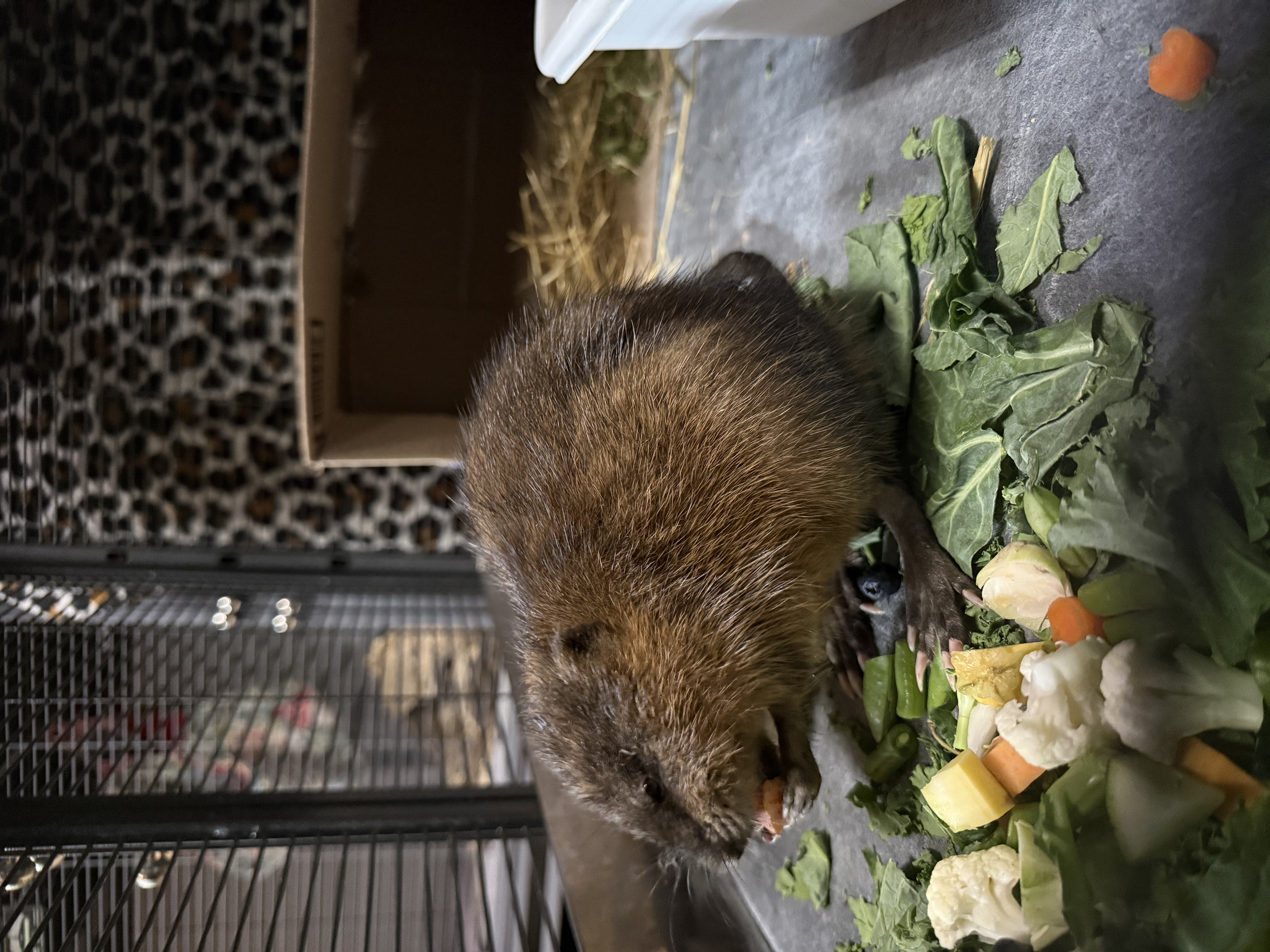
Ondatra zibethicus
Semi-aquatic rodents that are a cornerstone of Louisiana marsh ecosystems. Muskrats build distinctive dome-shaped lodges from vegetation and play a vital role in managing wetland plant growth.
Found in marshes, swamps, ponds, streams, and coastal wetlands throughout Louisiana. They prefer areas with shallow water and abundant emergent vegetation like cattails and bulrush. Louisiana's coastal marshes provide ideal habitat, and the state historically supported one of the largest muskrat populations in North America.
Primarily herbivorous, eating aquatic plants including cattails, sedges, rushes, and water lilies — consuming both roots and above-ground parts. They occasionally eat mussels, crayfish, frogs, and fish. Muskrats are important marsh managers, pruning vegetation and keeping waterways open.
Semi-aquatic and active year-round, muskrats are most active at dawn and dusk. They build dome-shaped lodges from vegetation or burrow into bank walls, with underwater entrances. They are strong swimmers and can remain submerged for up to 15 minutes. They live in family groups and defend territories aggressively.
Muskrats produce a musky odor from glands near the base of their tail — hence the name
They can swim backwards as well as forwards
A muskrat can eat approximately one-third of its body weight in vegetation per day
Muskrat lodges provide nesting sites for Canada geese, ducks, and turtles
Louisiana muskrats were once the foundation of the state's fur trade industry
They have partially webbed hind feet and use their flattened tail as a rudder