Loading
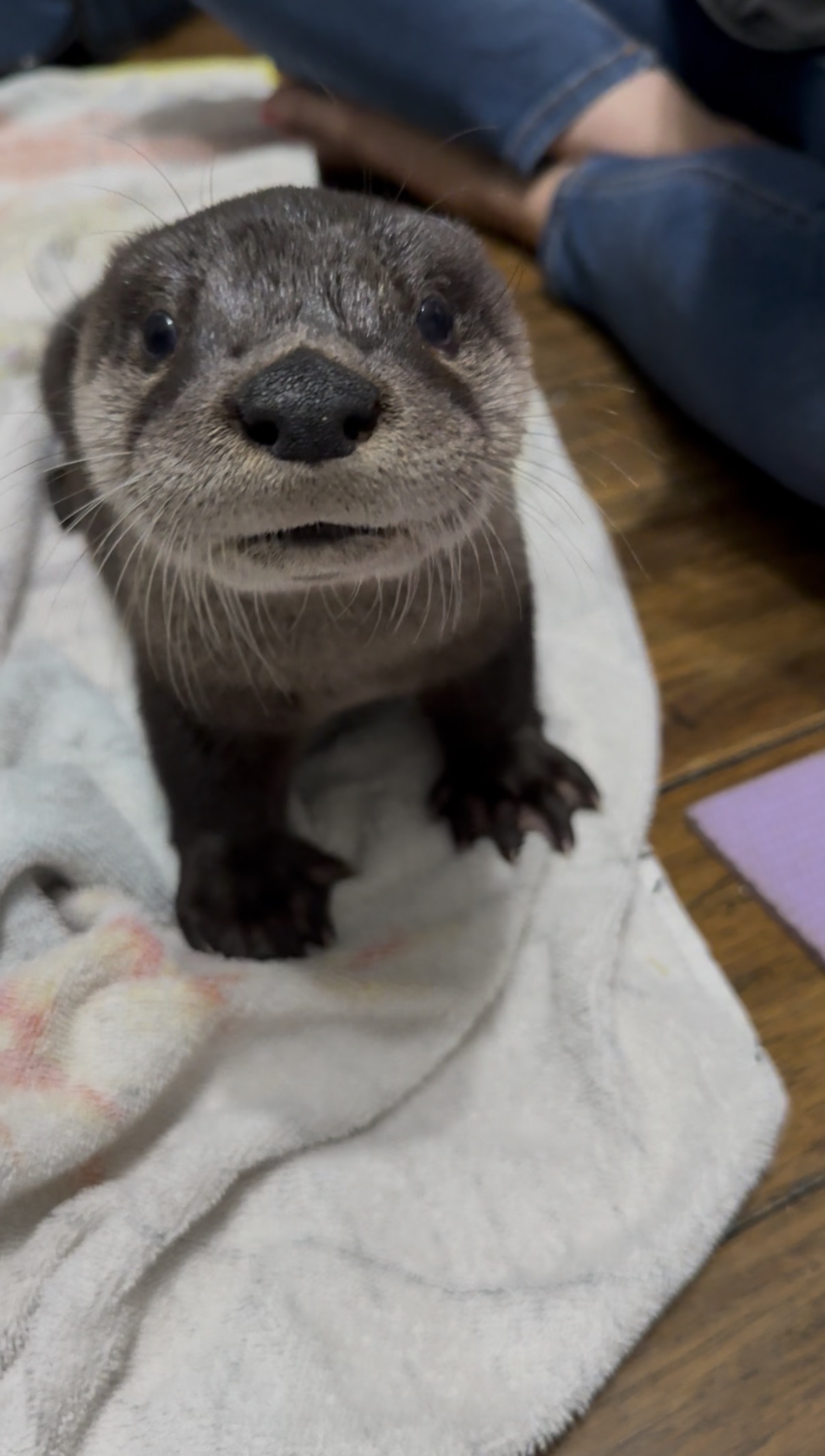
Lontra canadensis
Playful and charismatic, river otters are a sign of healthy waterways. Louisiana's extensive wetland system supports one of the largest otter populations in the country.
Found in rivers, lakes, swamps, coastal marshes, and bayous throughout Louisiana. They require clean water with abundant fish and dense bankside vegetation for denning. Louisiana's wetlands provide ideal habitat and the state has one of the highest otter densities in North America.
Primarily fish, but also crayfish, frogs, turtles, snakes, and occasionally small birds or mammals. They are opportunistic and will eat whatever is most abundant. A single otter may eat 15–20% of its body weight in food each day.
Semi-aquatic and highly social, otters live in family groups. They are famous for their playful behavior — sliding down muddy or snowy banks, wrestling, and chasing each other. They are active year-round and can swim at speeds up to 7 mph. Otters communicate through whistles, growls, and scent marking.
River otters can hold their breath for up to 8 minutes
They have the densest fur of any mammal — up to one million hairs per square inch
Otters slide down muddy banks purely for fun — not just for transportation
They can close their ears and nostrils when diving
Otter pups cannot swim at birth — their mother must teach them
Louisiana has more river otters per square mile than almost any other state